

At a pivotal moment for Welsh theatre, Sharon chose to build something extraordinary.
For International Women’s Day, we sat down with Sharon Gilburd, founding CEO of Welsh National Theatre, to talk about the journey that has brought her here.
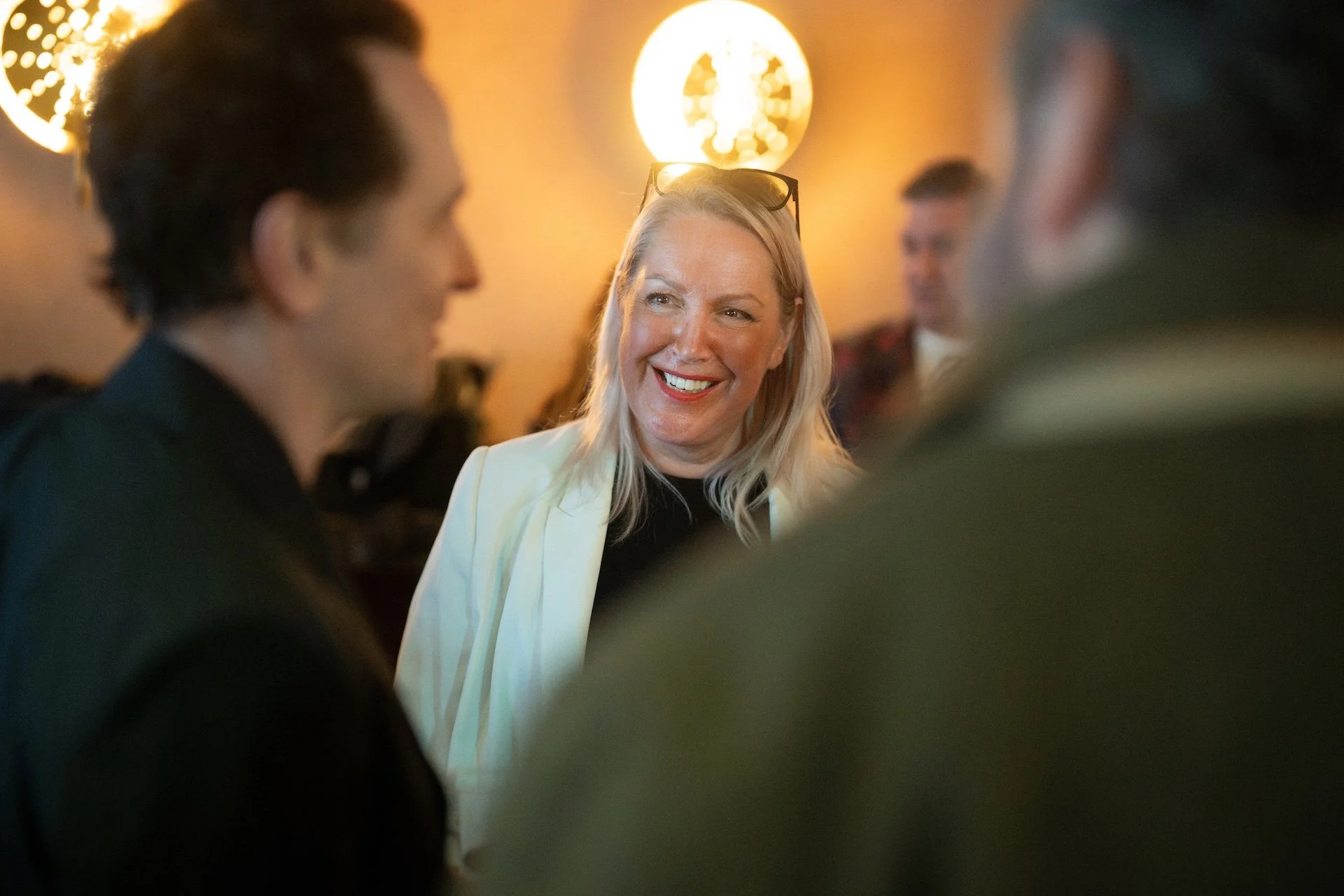
International Women’s Day 2026
Sharon Gilburd, Founding CEO
Photo: WNT/Martin Bedell
“I didn’t grow up thinking I’d run a national theatre,” she says, smiling. “I didn’t see people from council estates doing that. The career advice I got from my Dad, who was a manual operative for BP, was to learn to type because my parents thought an office job as a secretary was a good future for a woman in the 80s. And for sure, having seen my Mum work as a cleaner for all the construction crews building the oil terminal in Shetland, I could see where they were coming from.”
Sharon was born in East Kilbride, just outside of Glasgow and moved to Shetland when she was six.
“My Mum and Dad moved to Shetland to try and find work. It was a toss up between that and the ‘Ten Pound Poms’ Australian option. They went for Shetland…. There was no colour TV, only one channel, our first car there was a wind up one with a hole in the passenger side floor, and the cottage we lived in had no fridge, no bathroom and it’s now a museum.”
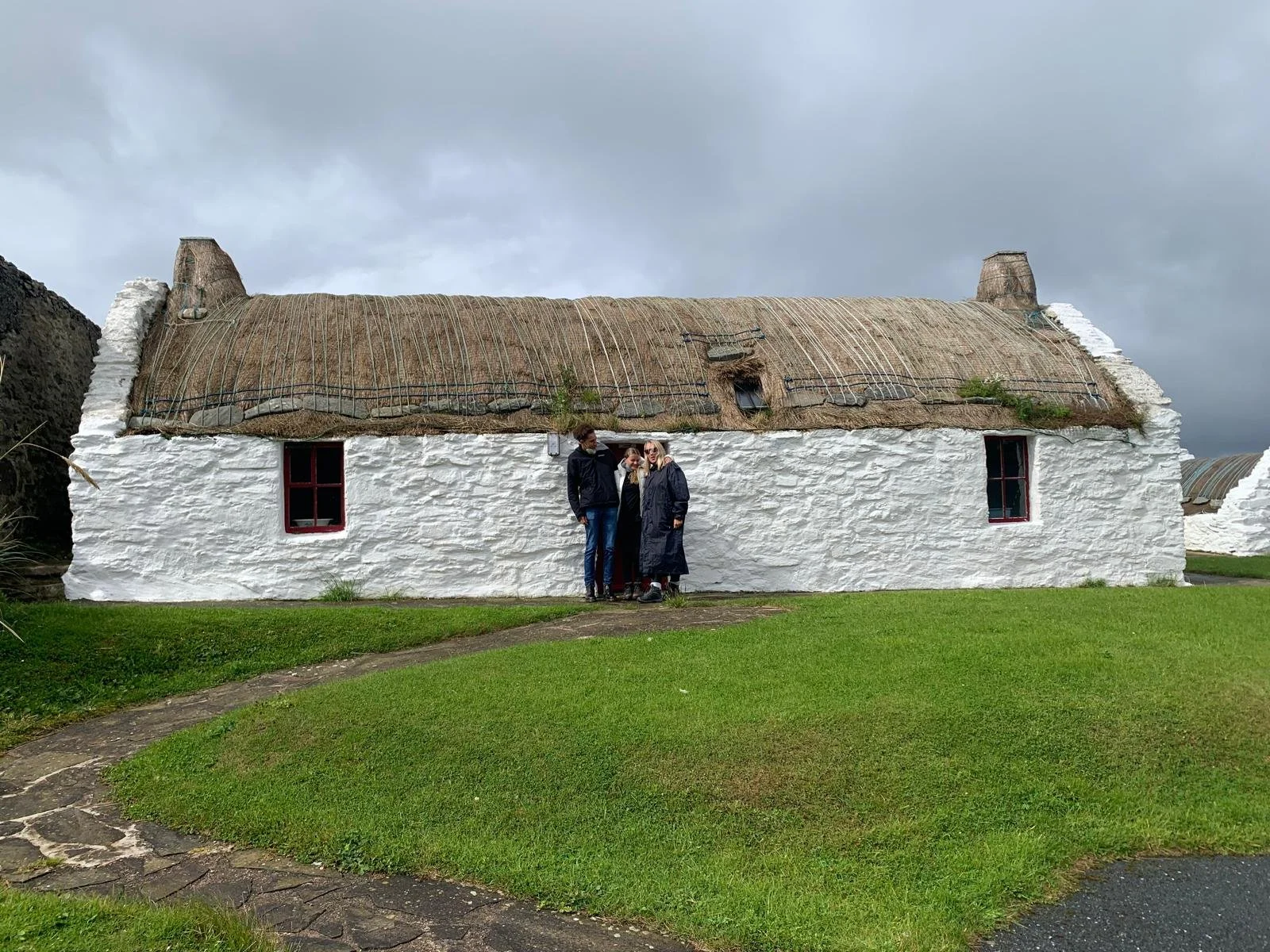
Sharon’s family home in Shetland
“You’d see places like London on TV and I just couldn’t relate,” she recalls. “Shetland was so remote, so far away. London was as ‘foreign’ as New York. I do remember though seeing Boy George and some of the other ‘new romantics’ who later became famous in the 80s, photographed outside of St Martin’s College in London, and I thought to myself I want to go there one day…”
At 16, Sharon left Shetland to go to Napier University in Edinburgh, and had her first real opportunity to see lots of creative work when the festival came to town, “In Shetland, what you get is a community panto. That’s about it,” she laughs. “Then suddenly I was in Edinburgh during the Festival and the Fringe. That was the best time of year. I still remember seeing Leigh Bowery on stage with The Fall at the Usher Hall and my mind being blown as to what theatre and performance could be.”
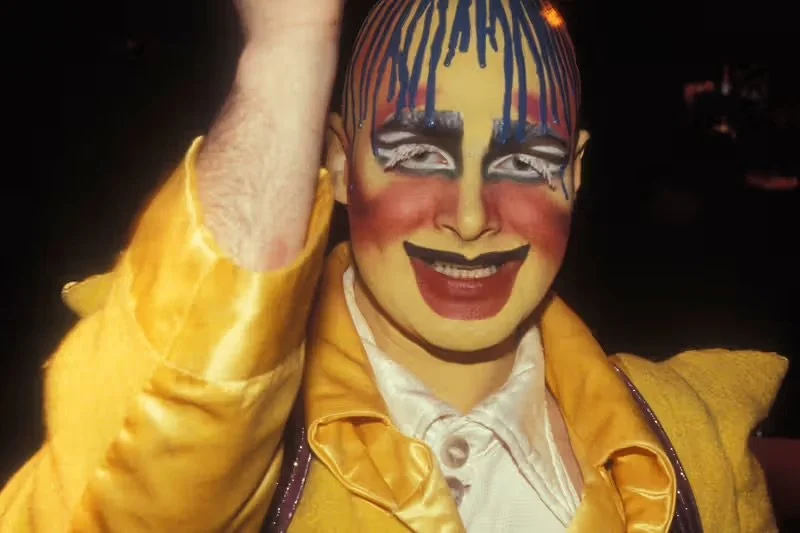
Leigh Bowery, 1986. Paul Hartnett/Pymca/Universal Images Group Via Getty Images
As soon as Sharon graduated, having done an internship there during her third year, she moved to Geneva to take up a role at the World Trade Organisation. It was there that she discovered her love of languages, learning French and some Spanish. What followed was not a straight line, but a career built on grabbing opportunity where it arose, curiosity, a youthful lack of fear and a genuine joy for change and trying new things.
“I’ve had a really varied career, which I’m really quite proud of. I’ve sold lingerie and salmon, set up my own digital agency, taught English in Rome, worked for UN agencies and for some of the largest corporates in the world,” she says. “I used to avoid talking about the breadth and try to kind of skirt over the variety because it’s not the standard path and it can be a wee bit challenging to explain, in a world where people expect you to have a life plan and follow it religiously.”
Over time, that non-linear path became her strength, but as her corporate profile grew, something else was pulling at her.
“The more senior I became, the further away I seemed to get from the creative work I loved when I was more ‘hands on’. So I took the opportunity to tick something off my bucket list and kick start my creative juices again, by studying for an MA in Applied Imagination at Central St Martin’s in London. That started me on the path of questioning what future I wanted and the pandemic became a moment of reckoning for me, like many other people. I started asking myself what kind of organisations I really wanted to work with,” she says.
It led to North Wales and a move away from corporate work and a move towards other interests, including taking up a number of Board roles, and studying psychotherapy at Bangor University. It’s here that Sharon also learned Welsh.
Her commitment to Wales was not only cultural, it was civic. As Chair of the Centre for Digital Public Services in Wales, she worked closely with Welsh Government and the public sector to shape how services are designed and delivered. Alongside that, she remained connected to her roots as a trustee of Shetland Women’s Aid, and joined the board of the Hebridean Whale and Dolphin Trust to support marine research and conservation efforts in her native Scotland.
In September 2023, she joined National Theatre Wales as a trustee. That same year, while serving as Co-Chair of the board, she found herself at the centre of a profound crisis when the organisation lost its funding from Arts Council Wales.
“We had five minutes notice before the news went public. I was expecting a cut and an opportunity therefore to look at strategy and reset, but a full cut called for something transformational,” she says. “We had to decide whether to wind up, or fight for a future which still had an English language national theatre in Wales.”
The human cost was real. The cultural cost was real. She had to hold two realities at once: the pain of that loss, and the responsibility of imagining what might still be possible.
Rather than stepping back, she stepped forward. “I remember giving a lecture to some drama students in early 2024, sharing the stress and pain of the loss of funding, along with some slides on ‘what good looks like’ for me. Michael was in those slides. At that point I’d never met him, had no means to meet him and was simply putting a vision out there of what I thought we needed to make this transformation work”.
In May 2024, Sharon met Michael Sheen for the first time to talk about that vision for reimagining the Welsh national theatre. In January 2025, that vision became Welsh National Theatre formally founded by Michael Sheen, Artistic Director, Sharon Gilburd, CEO, and Tim Price, Literary Manager.
In April 2025, the company launched its inaugural programme. “As we stood on a stage at WMC announcing the programme, we had no bank account, no money, but a commitment, vision and will to make it happen.”
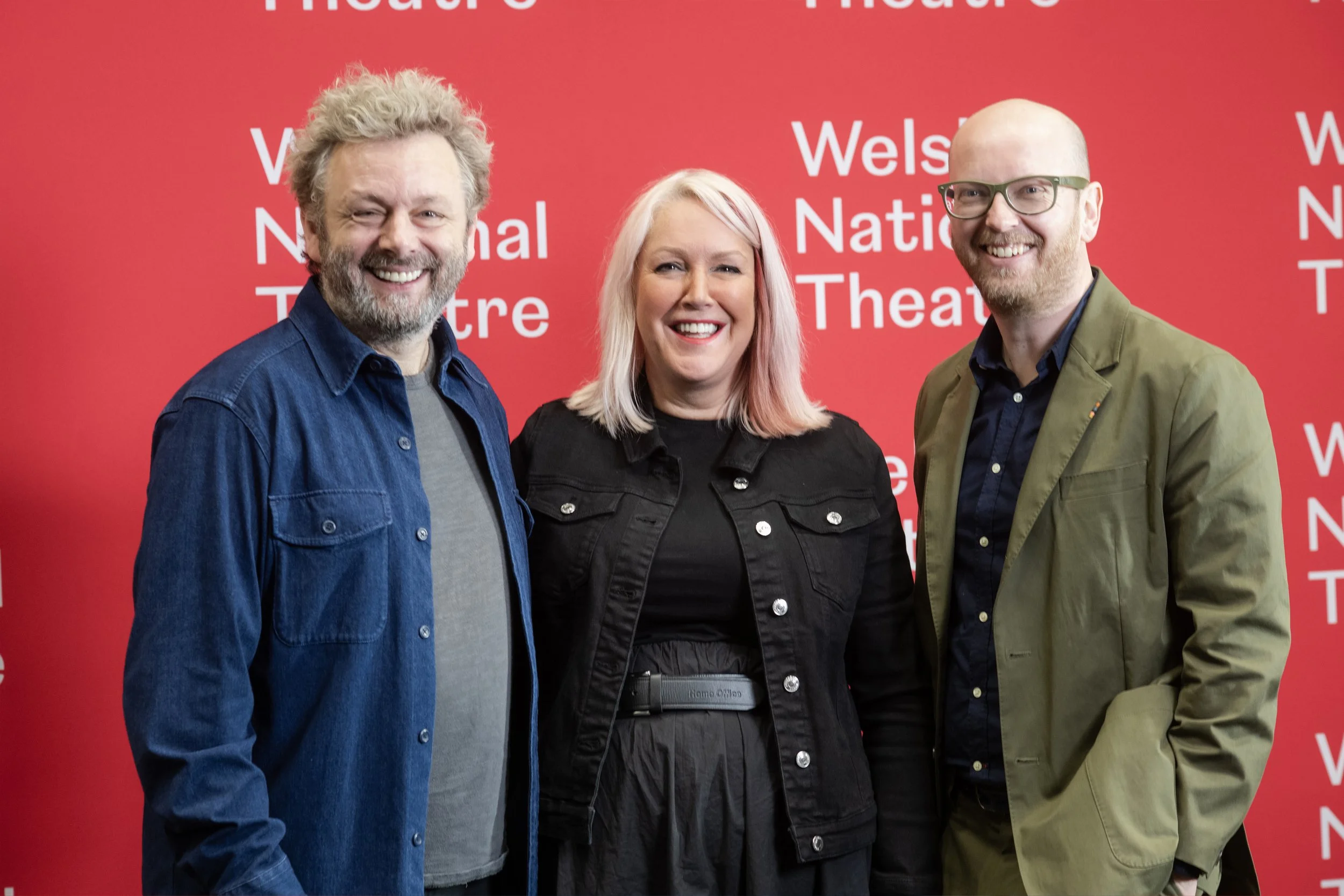
Michael Sheen, Artistic Director, Sharon Gilburd, CEO, Tim Price, Literary Manager
Photo: WNT/Jon Pountney
That season has been phenomenal so far. Sold-out runs in Swansea, Llandudno and Mold of the inaugural production Our Town. Record-breaking early box office numbers for Owain & Henry, co-produced with Wales Millennium Centre. And a ‘once in a lifetime’ opportunity to work with Matthew Rhys on Playing Burton, which wasn’t originally in the programme, but as Sharon says, “How could we say no?”. It sold out all over Wales and in London and was an important fundraising mechanism for WNT’s season.
Sharon is clear that none of this story belongs to her alone.
“Every part of my life and career that I’m most proud of has been built on the intelligence, support, friendship, love and wisdom of brilliant women. My mother was just the most wonderful woman. I didn’t know when we moved to Shetland part of the rationale was to try and get my Dad away from his drinking problem. Sadly, he died from alcohol related disease at just 49 years old, leaving my Mum a widow at 50. But it didn’t make her bitter, or selfish, but she just was the most supportive and caring and loving Mum I could have wished for.”
“And wonderful women surround me in my work at WNT too”, says Sharon. “It is not a word of a lie to say that without their commitment, passion and expertise, WNT would not be able to do what we’re doing.”
She points to Llinos Neale and Anna Cook. As a day to day team of three, including Sharon, it’s this tiny team who keep Welsh National Theatre functioning. “They are the engine room,” she says. “They keep us operating as a business while also helping bring our work to audiences at home and further afield. Both Welsh natives, from opposite ends of the country, and it’s extraordinary to see them shaping the future of theatre in their own country.”
Then there is Maris Lyons. “Maris pulled together a national tour schedule in next to no time,” Sharon says. “She didn’t just manage the Playing Burton tour, she drove it, literally. Driving Matthew Rhys from London to all corners of Wales. That level of commitment, that belief in what we were building, it’s remarkable.”
She also reflects on the all-female creative team behind Our Town. “To have Francesca Goodridge, Jess Williams and Hayley Grindle leading creatively on our inaugural production was incredibly special. They are exceptional Welsh creatives in their fields, and are the creative backbone of that success. And of course, we’ve been lucky to work with some brilliant Welsh female actors in Our Town as well. The depth of talent coming through Wales is extraordinary, and it’s a privilege to see those voices on our stages.”
And she highlights the women who are helping lay foundations for the future. “Stacey Brown and Jennifer Lunn were pivotal in running our inaugural Studio in 2025. That work, nurturing new voices, creating space, building pathways, that’s where long-term impact lives.”
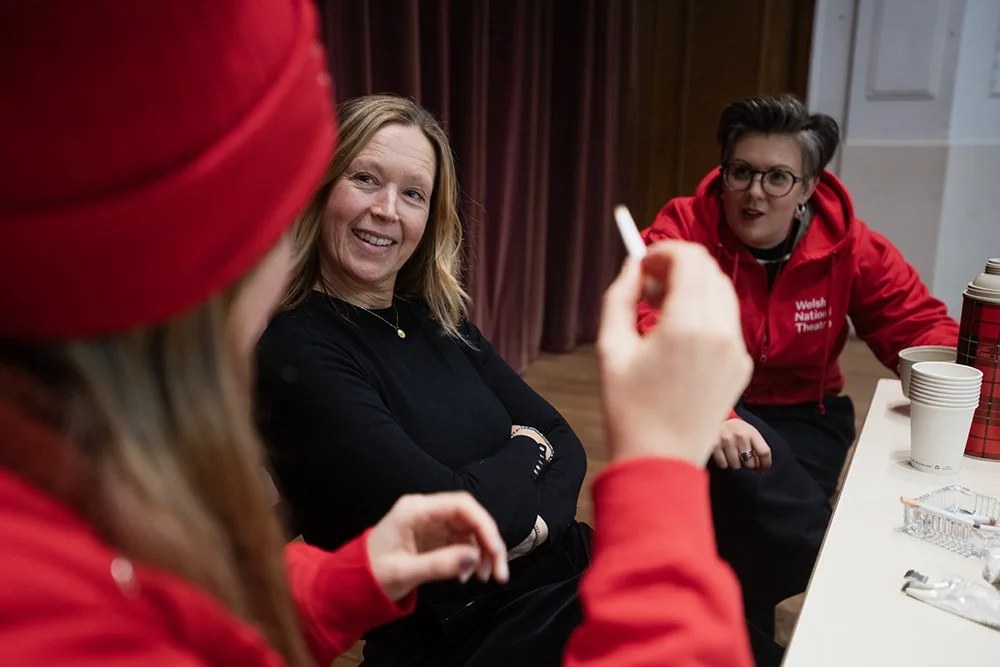
Maris Lyons, Producer and Tour Manager for Playing Burton.
Photo: WNT/Jon Pountney
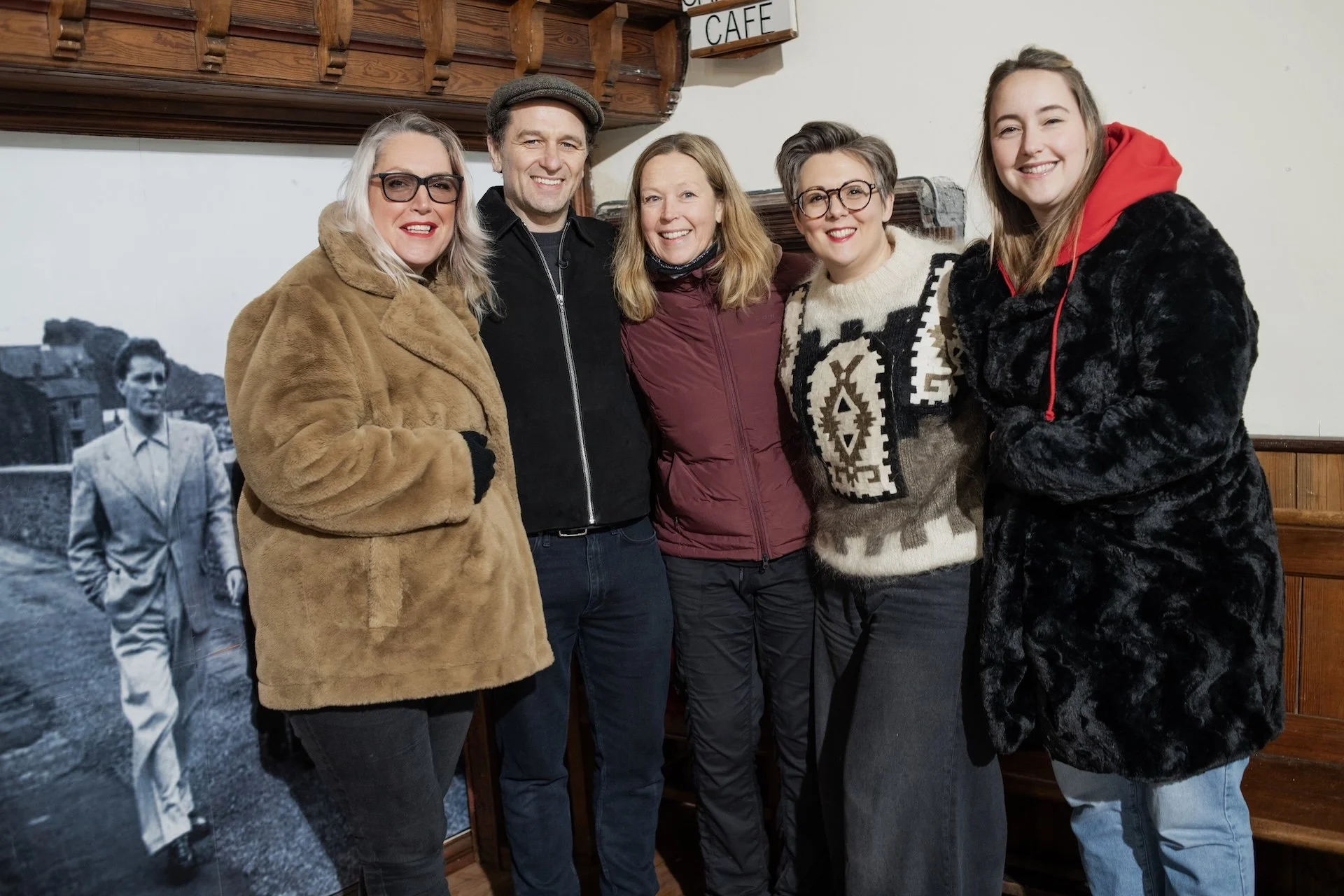
Sharon Gilburd, Matthew Rhys, Maris Lyons, Anna Cook, Llinos Neale. Photo: WNT/Jon Pountney
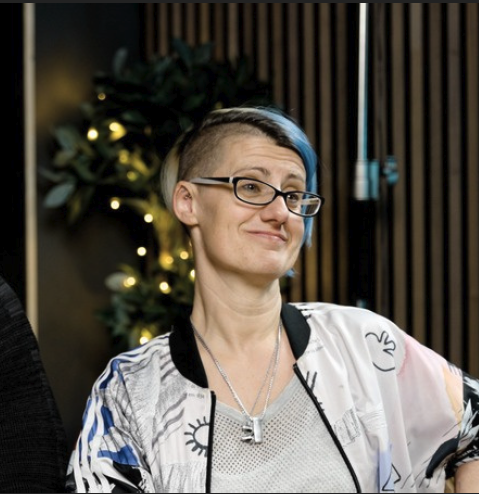
Jennifer Lunn, WNT Studio Producer
She also highlights the women helping guide the company at board level.
“Our board includes some extraordinary women,” she says. “Helen Protheroe, Rachel O’Riordan and Rakie Ayola are all hugely accomplished in their own fields, and they’ve chosen to give their time, insight and energy to help steer Welsh National Theatre at one of the most important moments in its history, not just through governance but by actively championing the company through events, advocacy and their networks.”
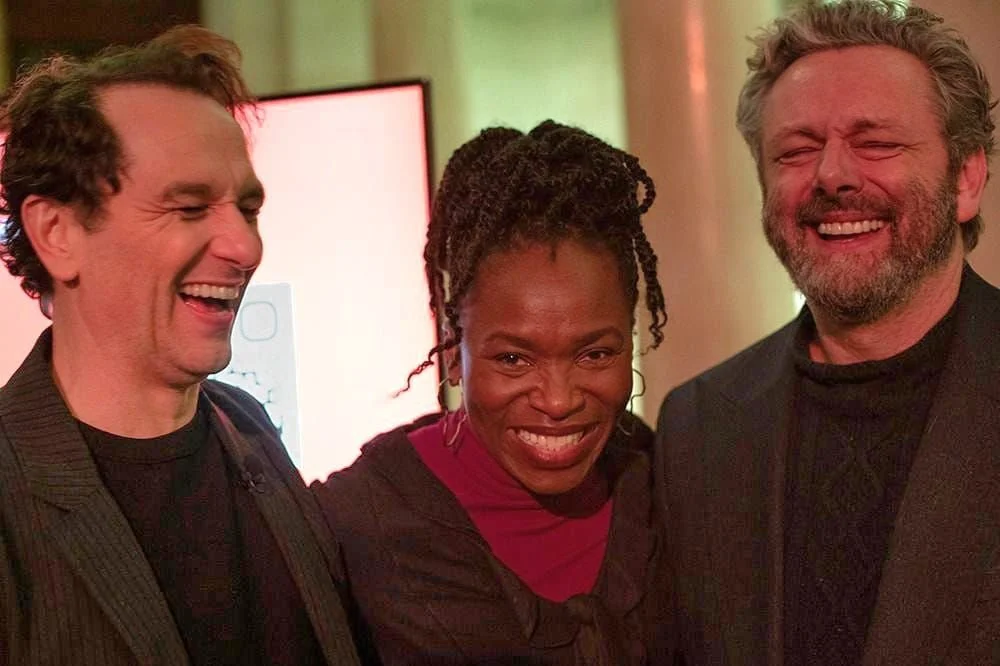
Board member and actress Rakie Ayola at a fundraising Q&A event in Cardiff Museum
Photo: WNT/Jon Pountney
For Sharon, celebrating women in leadership and in life is not about titles alone. It’s about recognising the often unseen work that makes bold ideas real. “Women are integral to building this organisation for the future of Wales,” she says. “On stage, off stage, in boardrooms, in rehearsal rooms, in vans driving across Wales.”
On International Women’s Day, this is not just a story of reinvention. It is a story of responsibility, of courage under pressure, and of women building the infrastructure behind the art.
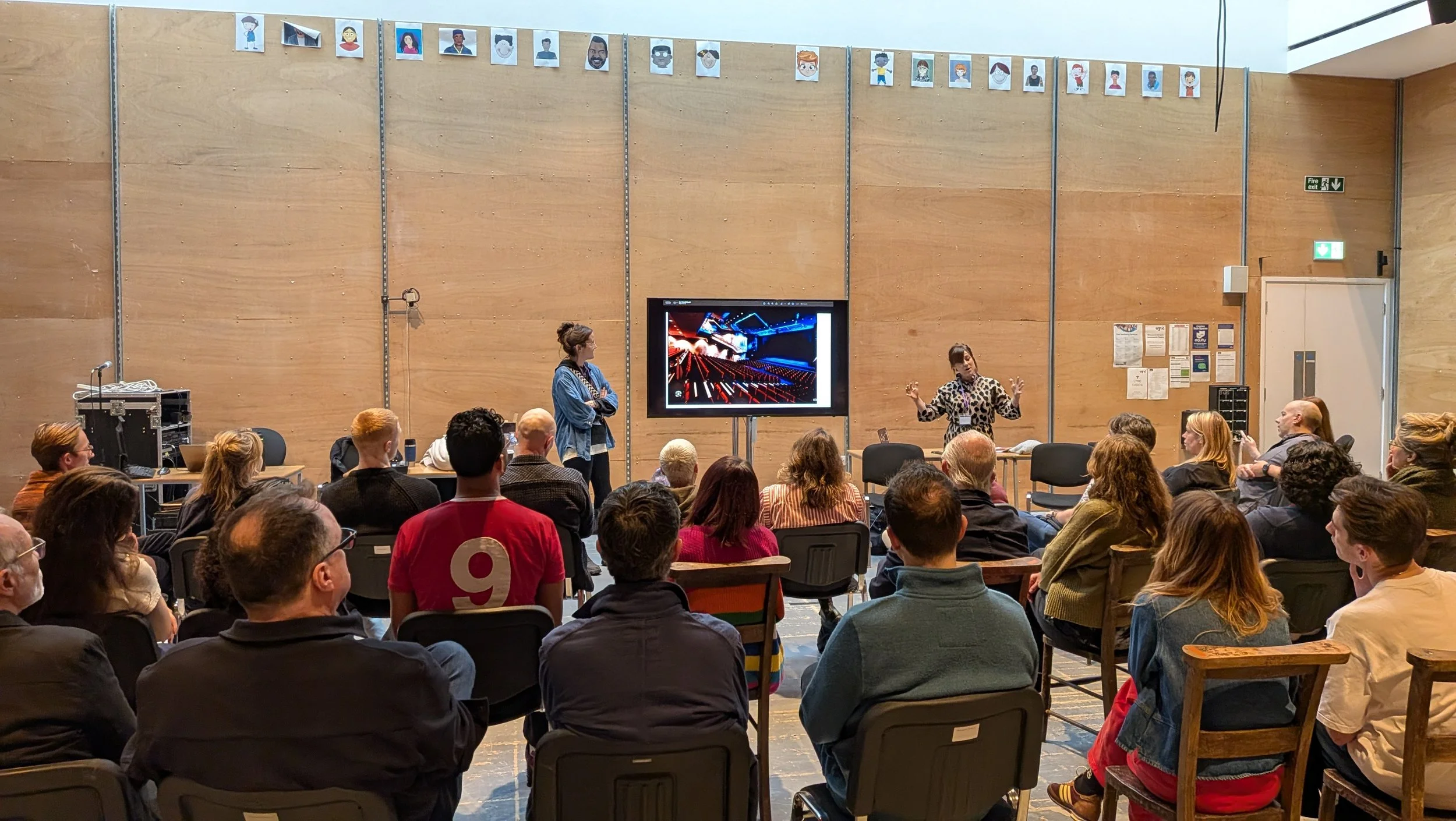
Francesca Goodridge and Hayley Grindle share the vision for Our Town to the company at Lyric Theatre, Hammersmith
Photo: Anna Cook